Crafting Small-Batch Coffee: Roasting Stories from Pine Drift
- Greg Tasker
- 4 days ago
- 4 min read

Coffee lovers know that the journey from bean to cup is filled with stories, traditions, and a touch of artistry. At Pine Drift, we take pride in our small-batch coffee roasting, where each roast tells a unique tale. This post will explore the intricacies of small-batch coffee roasting, the stories behind our beans, and how we craft the perfect cup.
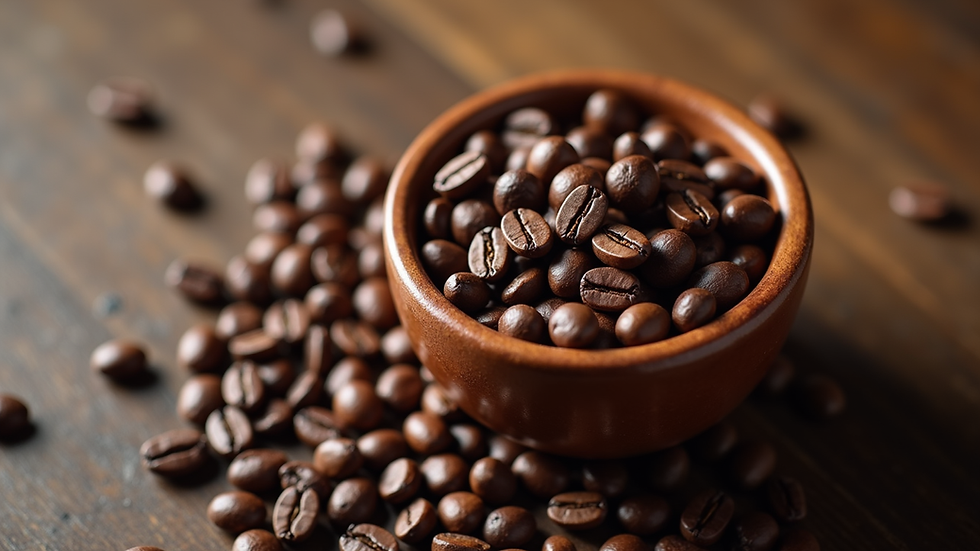
The Art of Small-Batch Roasting
Small-batch roasting is not just a method; it’s a philosophy. Unlike mass production, small-batch roasting allows for greater attention to detail and quality. Here’s why it matters:
Flavor Development: Each batch is roasted to highlight the unique flavors of the beans. This means experimenting with different profiles to bring out the best characteristics.
Freshness: Small batches mean that coffee is roasted more frequently, ensuring that customers receive the freshest product possible.
Sustainability: By sourcing beans from local farmers and focusing on small quantities, we support sustainable practices and fair trade.
Understanding Coffee Beans
The journey begins with the coffee beans themselves. At Pine Drift, we carefully select our beans based on several criteria:
Origin: Different regions produce beans with distinct flavor profiles. For example, Ethiopian beans often have fruity notes, while Colombian beans are known for their balanced sweetness.
Processing Method: The way beans are processed after harvesting can significantly affect their flavor. We prefer washed or natural methods, depending on the desired taste.
Varietal: The specific type of coffee plant also influences flavor. Arabica beans are generally sweeter and more complex, while Robusta beans are stronger and more bitter.
The Roasting Process
Roasting is where the magic happens. At Pine Drift, we follow a meticulous process to ensure each batch is perfect:
Pre-Roasting: We start by weighing the beans and setting the roaster to the desired temperature. This is crucial for achieving the right roast level.
Roasting: The beans are roasted for a specific duration, during which they undergo several stages:
Drying Phase: The beans lose moisture and begin to change color.
First Crack: This is a critical moment when the beans expand and crack, indicating they are reaching light roast levels.
Development Phase: After the first crack, we monitor the beans closely to achieve the desired roast level, whether light, medium, or dark.
Cooling: Once the desired roast is achieved, the beans are quickly cooled to stop the roasting process. This helps preserve the flavors developed during roasting.
The Stories Behind Our Beans
Every coffee bean has a story, and at Pine Drift, we believe in sharing these narratives. Here are a few of our favorites:
The Farmer’s Legacy: One of our most cherished beans comes from a small farm in Guatemala. The farmer, Don Miguel, has been cultivating coffee for over 30 years, passing down his techniques through generations. His commitment to organic farming practices ensures that his beans are not only delicious but also sustainable.
A Unique Processing Method: We source beans from a cooperative in Kenya that uses a unique fermentation process. This method enhances the fruity notes and gives the coffee a vibrant acidity. The cooperative supports local farmers, ensuring they receive fair compensation for their hard work.
A Journey Across the Globe: Our Brazilian beans travel thousands of miles to reach us. Sourced from a family-owned farm, these beans are known for their chocolatey undertones. The family has been in the coffee business for generations, and their dedication to quality is evident in every cup.
Brewing the Perfect Cup
Once the beans are roasted, the next step is brewing. Here are some tips to ensure you get the most out of your Pine Drift coffee:
Use Fresh Beans: Always grind your beans just before brewing to preserve their freshness and flavor.
Water Quality: Use filtered water to avoid any off-flavors that tap water may introduce.
Brewing Method: Experiment with different brewing methods, such as pour-over, French press, or espresso, to find what suits your taste best.
The Community Connection
At Pine Drift, we believe in building a community around coffee. We host regular tasting events where customers can learn about different beans and brewing methods. These gatherings foster a sense of connection and allow us to share our passion for coffee with others.
Sustainability and Ethical Sourcing
Sustainability is at the heart of what we do. We prioritize ethical sourcing and work closely with farmers to ensure they receive fair wages. Our commitment to sustainability extends to our packaging, which is recyclable and eco-friendly.
The Future of Pine Drift
As we look to the future, our goal is to continue innovating while staying true to our roots. We plan to expand our offerings by introducing new blends and seasonal roasts. Additionally, we aim to strengthen our relationships with farmers, ensuring that our coffee remains both delicious and ethically sourced.
Final Thoughts
Crafting small-batch coffee is more than just a process; it’s a journey filled with stories, flavors, and connections. At Pine Drift, we take pride in every step, from sourcing the beans to roasting and brewing. We invite you to join us on this journey and experience the unique flavors that our small-batch coffee has to offer.
Whether you’re a seasoned coffee enthusiast or just starting your coffee journey, there’s always something new to discover. So grab a cup of Pine Drift coffee, savor the flavors, and enjoy the stories behind each sip.
Let us know your favorite coffee stories or experiences in the comments below!


Comments